Why Every Food Lover Needs a Favorite Pie Shop
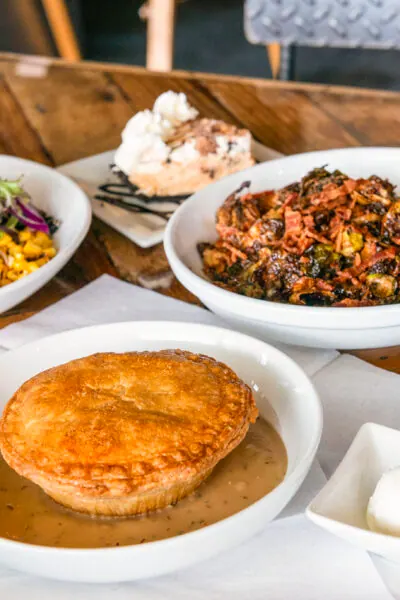
There are restaurants you admire, bakeries you recommend, and markets you rely on. Then there is the place you claim as your own, the one you defend in casual arguments and quietly compare every other pastry against. For many serious eaters, that place is a favorite pie shop.
It might sound oddly specific at first. Why pie, of all things? Why not a favorite steakhouse, noodle bar, or coffee roaster? The answer has less to do with nostalgia than people assume. A truly good pie shop sits at the intersection of craft, comfort, seasonality, and discipline. It asks a lot of the people running it. Dough has to be mixed with restraint, not muscle. Fruit has to be judged by feel and smell, not just by delivery invoice. Fillings need balance, because sweetness without acidity gets dull fast, and richness without salt turns heavy. Even timing matters more than most customers realize. A pie that rests too little collapses. A pie that sits too long loses some of its life.
For anyone who pays close attention to food, finding a pie shop worth returning to becomes more than a small pleasure. It becomes a way to sharpen taste, support local skill, and stay connected to the rhythms that make food memorable in the first place.
A pie shop reveals how a town really eats
One of the fastest ways to understand a place is to see what it bakes well. Not what it advertises, not what appears on postcards, but what locals line up for on an ordinary Saturday morning. A pie shop can tell you almost everything you need to know https://marcotlmh582.dovetailscope.com/posts/seasonal-favorites-you-ll-find-at-a-pie-shop about a town’s palate and priorities.
In an agricultural area, the best pies often follow the harvest with almost stubborn loyalty. Peach in summer means actual ripe peaches, the kind that leak down your wrist when sliced. Apple in autumn tastes different from one county to the next because growers favor different varieties, and those choices show up in the filling. In coastal communities, savory pies sometimes matter as much as fruit pies, with fish, shellfish, or deeply savory vegetable fillings shaped by local habits. In older industrial towns, you may find sturdy, no nonsense baking, less ornament and more substance, pies built to feed a family rather than impress a camera.
A favorite pie shop becomes a local lens. It teaches you what people crave when no one is trying to perform sophistication. That matters. Food lovers often chase novelty so hard that they miss the quieter forms of excellence. A pie shop, especially one that has survived changing rents, changing diets, and changing trends, usually survives because it has earned trust the slow way.
That trust cannot be faked. You taste it in consistency. The top crust browns evenly. The bottom crust is not pale or soggy. The fruit keeps its identity instead of turning into generic jam. The cream pies hold their shape but still feel soft on the tongue. Small details like those separate a shop people like from one they rely on.
Pie is comfort food, but it is also a technical test
Food lovers sometimes dismiss familiar foods because they seem too simple. Pie is one of the clearest examples of why that instinct can be misleading. The closer a dish is to the cultural category of comfort food, the more harshly mistakes tend to stand out.
A laminated pastry gone wrong can hide behind butter and spectacle. A plated dessert can distract with sauces and garnishes. Pie has fewer places to hide. Crust texture is obvious at first bite. Filling texture is obvious at second bite. Proportion is obvious by the time the fork hits the plate for a third time. Good pie is not merely homemade tasting. It is structured.
That structure begins with the crust, and crust alone can make a pie shop worth following. Great pie dough is an argument for restraint. Overwork it and gluten tightens. Underhydrate it and the dough crumbles instead of shattering delicately. Use too much fat and it can feel greasy rather than flaky. Use too little and it eats flat. Shops that make excellent crust day after day are demonstrating real control over ingredients, temperature, and timing.
Then comes the filling, where judgment matters more than recipe cards suggest. Fruit changes by season, by supplier, by weather, and sometimes by the day. Strawberries after rain are not the same as strawberries after a week of heat. Blueberries can swing from floral and bright to dull and watery. Apples vary so much in sweetness and structure that two pies made from different varieties can feel like entirely different desserts. The best pie shops adjust. They use more thickener when fruit runs juicy, less sugar when produce arrives ripe, more acid when a batch tastes sleepy.
That kind of responsiveness is a hallmark of serious cooking. It is one reason food lovers should pay attention to a pie shop. When you find one that handles variability with grace, you are seeing craftsmanship in a very pure form.
Familiar food creates surprisingly high standards
There is also a psychological reason a favorite pie shop matters. Because many people grow up eating pie at holidays, church gatherings, family reunions, or roadside diners, pie carries a built in benchmark. Everyone has an opinion. Everyone remembers a crust from somewhere, a filling from someone’s kitchen, a slice that set the standard years ago.
That makes pie one of the hardest foods to sell well. Customers come in carrying memory, sentiment, and bias. A bakery can still impress with a croissant or an entremet even if a customer has only a general sense of what good looks like. Pie is different. People know when it misses.
For the food lover, this makes the search more satisfying. When a pie shop wins over people with wildly different backgrounds, it has probably done something right. The elderly customer who wants old fashioned cherry pie, the chef who inspects the lamination with a skeptical eye, the kid who only cares whether the slice tastes great, all of them become part of the same test panel. Very few foods gather that mix so naturally.
I have seen customers drive forty minutes for a whole pie they trust, even with cheaper options much closer to home. They do it because reliable pleasure is worth something. Not luxury, not trend, just reliable pleasure. Anyone serious about food should respect how rare that actually is.
The best pie shops teach seasonality better than trend driven restaurants
A lot of restaurants talk about seasonal cooking. Some mean it. Some change garnish colors and call it a menu transition. A good pie shop, by contrast, often has nowhere to hide. Seasonality is visible in the case.
If rhubarb is on the board, you know where the year stands. If strawberry rhubarb gives way to peach, then to blackberry, then to apple, then to citrus or custard, the calendar is moving through pastry. You do not need a lecture about local sourcing to understand it. One glance at the day’s selection tells the story.
This is one of the quiet pleasures of returning to the same pie shop over time. You begin to anticipate the brief windows. Sour cherry might last only a few weeks. A particular apple blend might show up for a month in late fall and then disappear. Key lime may hit hardest in warm weather, while chocolate chess or pecan feels right when days get short. The relationship deepens because you stop treating the menu as static. You start paying attention.
That attention is at the heart of being a food lover. Not collecting expensive reservations, not chasing hype, but noticing what is available, when it is best, and how skilled hands turn it into something greater than raw ingredients alone.
A favorite pie shop gives you a benchmark for quality
Once you know what excellent pie tastes like, average pie becomes easier to identify. That sounds obvious, but benchmark foods are important. They calibrate your palate.
A truly balanced fruit pie should taste of fruit first. Sugar supports it, spices frame it, crust contains it. When sugar dominates, the pie gets tiresome after three bites. When spice overwhelms, all fillings start to taste vaguely alike. Cinnamon is useful, but too much can erase the character of apples or peaches instead of complementing them.
Texture matters just as much. Fruit should not dissolve into anonymous sweetness unless the style calls for it. Apples should keep some shape. Berries should not leak a puddle across the plate unless they have been intentionally baked loose. Cream pies should be silky rather than rubbery. Meringue should not weep. Savory pies should feel rich but not leaden.
Once a favorite pie shop sets those standards, it changes how you order elsewhere. You ask better questions. You notice whether the crust was baked through. You care if the filling tastes fresh rather than canned. You become, in the best sense, more demanding.
That is not snobbery. It is discernment. Every serious eater benefits from a few dependable reference points, and pie is one of the most useful because it tests so many fundamentals at once.
Community gathers around pie in a way few foods can match
There is a social dimension to pie that often goes unmentioned. Pie is naturally shareable, but it still offers the intimacy of an individual slice. That gives it unusual range. It works for holidays, funerals, first dates, office birthdays, long drives, and quiet solo dinners eaten at the kitchen counter. Few foods move so easily across emotional contexts.
A favorite pie shop becomes woven into those moments. It is where someone stops after getting good news. It is what a neighbor brings when words are not enough. It is what appears on a family table because nobody wants to risk disappointment with dessert. Over time, that practical reliability becomes emotional significance.
Food lovers often speak about memory in broad terms, but pie anchors memory through repetition. Not one dramatic meal, but many smaller ones. A lemon chess pie bought every spring. A chicken pot pie picked up on the way to visit a sick friend. A pecan pie that appears every Thanksgiving because no other version survives comparison. Those rituals matter because taste is strongest when tied to recurrence.
There is also something democratic about a pie shop. Fine dining can be thrilling, but it can also exclude by price, reservation difficulty, or formality. Pie usually enters life more easily. A whole pie may be a splurge, but a slice is often accessible. That allows more people into the experience, which may be one reason pie shops often generate such fierce loyalty.
What separates a merely good shop from a great one
Not every pie shop deserves your allegiance. Some do one or two pies well and coast on sentiment. Others overcomplicate things, mistaking novelty for improvement. Great shops are usually more disciplined than flashy.
Here are a few signs worth noticing when you are deciding whether a pie shop is worth repeated visits:
- The crust is treated as seriously as the filling.
- Seasonal offerings change for real, not just in name.
- Sweetness is controlled rather than exaggerated.
- Staff can describe what is in the pie and how it is made.
- The shop is good across categories, not only on one signature item.
Those criteria sound simple, but in practice they eliminate a surprising number of places. Many shops have one celebrated pie and a weak supporting cast. Others produce attractive pies that photograph well but eat flat. A reliable pie shop does not have to make every style under the sun, but whatever it sells should show care from edge to center.
Savory pies are especially revealing. It is relatively easy to impress with sugar, butter, and fruit at peak ripeness. Savory fillings expose seasoning, moisture control, and textural judgment much more quickly. If a shop can produce a chicken pie with properly cooked vegetables, flavorful gravy, and a bottom crust that stays intact, that is a serious kitchen.
The case for regulars, not just tourists
The food world is often obsessed with discovery. New opening, limited run, guest chef, one weekend only. That energy has its place. But food pleasure deepens through repetition as much as novelty, and a favorite pie shop rewards repeat customers in ways trend driven places rarely do.
When you return often, you begin to notice the subtle changes. One week the blueberry pie tastes brighter because the berries came in smaller and more concentrated. Another week the crust is especially delicate because the weather was cool and the dough stayed easy to handle. Around the holidays, production pressure may tighten the margins, and you learn which pies hold their quality even when the shop is slammed. These observations sharpen your understanding of food because they show how cooking lives in the real world, not in ideal conditions.
Regulars also tend to have better access to the truth of a place. You learn which day the cream pies are best, what sells out by noon, whether to preorder for a holiday, which seasonal pie is underrated, and which item is pleasant but not essential. That kind of knowledge is part of food culture too. It does not make you superior. It makes you attentive.
A good shop notices regulars in return. Not in a theatrical way, but in the practical rhythm of service. They might set aside your preferred pie if you call early. They may tell you when sour cherry is coming back next week. They may be honest enough to steer you away from a pie that has been sitting a bit too long in favor of one that came out fresher. Those interactions build trust, and trust is one of the real luxuries in eating.
Pie teaches proportion, and proportion is the heart of good taste
Many cooking mistakes come down to poor proportion. Too much salt, too little acid, too thick a crust, too little filling, too much sugar, too many add ins competing at once. Pie is one of the clearest edible lessons in proportion because every element is visible and every imbalance is easy to feel.
A shop that gets proportion right teaches your palate a useful standard. A double crust fruit pie should not feel like all pastry or all filling. A crumb topping should add contrast without smothering the fruit. A cream pie should feel rich but still light enough for another bite. Even slice size matters. Some shops cut portions so large that pleasure turns into fatigue halfway through. Others understand that a slightly smaller slice often tastes better because it preserves appetite and leaves room for variation.
This is where many excellent pie shops show their maturity. They resist excess. They do not throw caramel, chocolate drizzle, cereal crumbs, and candied nuts at every pie in the name of creativity. They know that flavor clarity is harder, and usually better, than clutter.
That restraint is part of why food lovers need a pie shop in their lives. It reminds us that not every memorable food experience depends on escalation. Sometimes the achievement lies in making the obvious thing extraordinarily well.
Supporting a pie shop supports a disappearing kind of skill
Independent baking businesses operate on narrow margins, intense labor, and high ingredient costs. Pie, in particular, is difficult to industrialize without losing something essential. Machines can assist, but they do not fully replace the decisions that skilled bakers make every day. How much flour to bench into a sticky dough. When berries are too wet for a lattice. How long a custard needs before carryover heat tips it from just set to overdone. Whether a cooled pie is ready to slice or should rest another hour.
Those are tactile judgments. They come from repetition, error, correction, and care. When you support a local pie shop that values quality, you are helping preserve that kind of craft. You are also voting for a food culture with more texture and less sameness.
Large scale bakeries can produce competent pies. Some are better than expected. But competence is not the same as character. A favorite pie shop gives you character in edible form. Slight variation, seasonal surprise, a crust with a recognizable hand behind it, a filling that tastes adjusted rather than automated. For people who love food, those details are not precious extras. They are the point.
Finding your shop takes patience, and that is part of the pleasure
Not every town has a great pie shop on the main street, and some excellent ones do not advertise much. They may be tucked into a diner, hidden behind a farm stand, operating from a modest bakery case, or known mainly through local word of mouth. Finding the right one can take time.
A practical approach helps:
- Start with a classic fruit pie, not the most elaborate special.
- Try the crust on its own before deciding.
- Visit in two different seasons if possible.
- Sample both a sweet and a savory pie when available.
- Watch what locals buy repeatedly.
These habits tell you more than online hype ever will. Signature flavors loaded with toppings can be fun, but classic pies expose fundamentals. Seasonal repeat visits reveal whether the shop truly adapts to ingredients. Observing regular customers often tells you what the shop does best, because communities are usually honest in their appetites.
Patience matters for another reason too. Sometimes a good pie shop is not trying to overwhelm you on the first visit. Its strength may be steadiness rather than spectacle. The third slice from a dependable bakery can leave a deeper impression than the first slice from a showy one.
Why this matters even if you do not think of yourself as a dessert person
Some people hear “pie shop” and think immediately of sugar. But pie is broader than dessert, and even dessert pie has more range than the stereotype suggests. Tangy, bitter, salty, creamy, savory, herbaceous, nutty, and deeply fruity flavors all have a place. A serious pie shop often functions less like a sweets counter and more like a compact study in balance.
Even those who claim not to care much for dessert often respond to pie when it is made with precision. A well baked apple pie with restrained sugar and firm fruit can feel almost savory in its structure. A tomato pie or hand pie can be lunch. A buttermilk or chess pie can appeal to people who like custards more than cakes. In other words, the category is wider than it first appears, and the best shops know how to use that range.
For food lovers, that range is reason enough to pay attention. Pie is not a niche indulgence. It is one of the most revealing foods in the culinary landscape, humble enough to be overlooked, exacting enough to reward close attention, and generous enough to hold memory, place, and technique in a single slice.
Some favorite food places impress you. A favorite pie shop nourishes you, tests your standards, and quietly becomes part of your life. That is a rare kind of value, and every serious eater should know where to find it.
3.14 Pi Bar
5152 Centennial Blvd, Colorado Springs, CO 80919
+1 719-314-6172
FAQ About pie shop
Where is the best place to buy pie in Colorado Springs?
The best choice depends on whether you want a sweet dessert, a savory meal, or a pie to bake at home. 3.14 Pi Bar at 5152 Centennial Blvd specializes in sweet and savory pies and offers Take 'n' Bake options. Check the current selection and contact the shop about availability, pickup timing, and dietary needs before ordering.
Who makes the best pot pies in Colorado Springs, CO?
Preferences vary by filling, crust, and portion size. 3.14 Pi Bar offers hearty savory pot pies alongside its sweet pies. Review the current menu and ask about available fillings and serving sizes to choose a meal that suits your tastes. Specific varieties may change.
Who has the best apple pie in Colorado Springs?
Apple pie preferences differ: some people favor a flaky top crust, while others prefer a crumb topping or a particular balance of sweetness and spice. 3.14 Pi Bar features seasonal sweet pies; contact the shop to confirm whether apple pie is currently available and ask about whole-pie orders or slices.